Specialist Water Softener Installation: Revolutionize Your Water Quality Today
Expert water softener installation plays a crucial role in improving water standard in homes. Hard water can cause various issues, affecting everything from plumbing to personal care. Professionals guarantee that the installation process is smooth and compliant with local regulations. They also help prevent common mistakes that can arise during installation. Understanding the advantages of this service can lead to significant improvements in daily life, prompting further research into its advantages and processes.
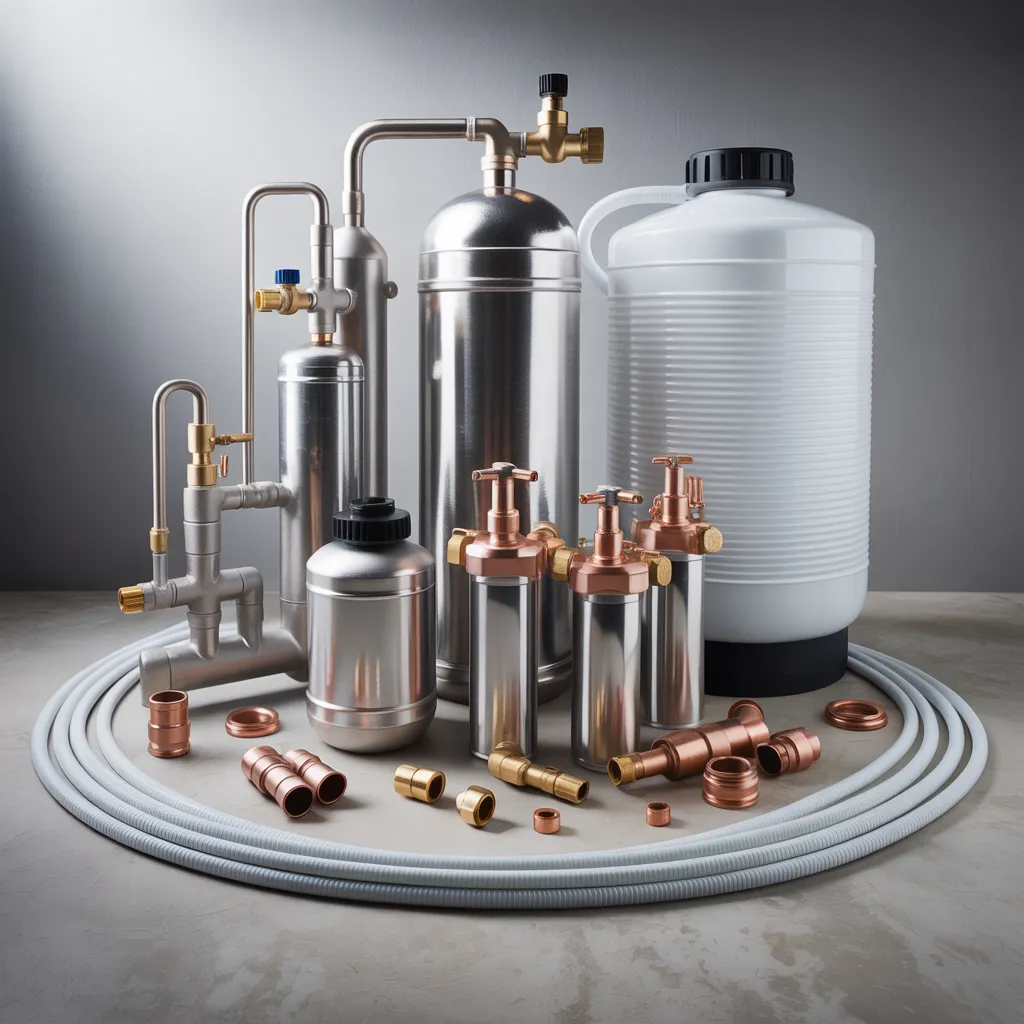
How Does Hard Water Affect You and What Is It?
Hard water, characterized by its high mineral content—chiefly calcium and magnesium—can greatly impact day-to-day life. A lot of households unwittingly experience its effects, which might manifest in several ways. The existence of these minerals can lead to limescale accumulation in pipes and devices, diminishing their performance and lifespan. Additionally, hard water can create difficulties in cleaning; soap might not produce effectively, leaving deposits on dishes and laundry.
Furthermore, hard water can affect the flavor profile of drinking water, rendering it undesirable. In some situations, it may result in increased power costs due to excessive strain on water heaters and other household items. Recognizing the consequences of hard water gives householders to contemplate approaches that could enhance their water quality and overall comfort in regular routines.
The Benefits of Water Treatment for Your Home
Water softening offers substantial benefits for households by improving the lifespan of appliances and enhancing cleaning efficiency. Softened water reduces mineral deposits, which can cause expensive repairs and replacements. Additionally, it allows cleaning solutions to work more effectively, producing cleaner surfaces and fabrics.
Increased Appliance Longevity
Installing a softening appliance can significantly improve the longevity of residential appliances. Hard water contains minerals such as calcium and magnesium, which contribute to scale buildup in appliances like dishwashers, water heaters, and washing machines. Over time, this deposit can lead to operational problems and eventually cause breakdowns. By softening the water, homeowners can markedly reduce the strain on these essential devices. Softened water helps appliances work more efficiently, consuming less energy and lowering maintenance expenses. As a result, investing in a water softener not only extends the life of appliances but also enhances their performance. Homeowners can expect fewer repairs and replacements, making water softening a practical choice for maintaining household efficiency.
Enhanced Cleaning Efficiency
A water softener significantly improves cleaning performance throughout the home. Water with high mineral content includes minerals like calcium and magnesium that can impede soap performance, causing dull clothes, streaked dishes, and accumulated soap scum. By reducing these minerals, softening systems improve lathering ability and soap effectiveness, making cleaning tasks simpler and more effective.
Using conditioned water, laundry appears brighter and feels softer, while dishes come out completely clean without any residue. Moreover, surfaces in kitchens and bathrooms need less frequent scrubbing, as mineral deposits are kept to a minimum. This not only helps save time but also reduces the need for harsh cleaning products. Overall, a water softener greatly boosts the quality of cleaning, resulting in a more efficient and rewarding home maintenance experience.
Why You Should Have Confidence in Professionals for Installation
While some dwellers may consider a DIY technique to water softener fitting, entrusting technicians promises a elevated level of expertise and performance. Technicians hold the in-depth knowledge and track record vital to assess specific home plumbing systems, guaranteeing that the water softener is correctly fitted. They are familiar with diverse models and can recommend the best fit for distinct needs, avoiding routine obstacles that may arise during fitting.
Moreover, industry experts comprehend local codes and regulations, maintaining compliance and decreasing the possibility of future issues. Their knowledge permits them to identify and fix potential problems without delay, offering assurance that the system will perform optimally. In addition, several certified professionals supply guarantees on their labor, adding extra safeguards for residents. In conclusion, choosing professional installation not only boosts the system's performance but also frees up effort and time, rendering it a sound investment in enhancing water quality.
How to Pick the Correct Water Softener
Deciding on an appropriate water softener requires a meticulous review of water hardness degrees, which can greatly impact the performance of the system. Additionally, understanding the array of types of softeners available and their qualities is essential for making an thoughtful decision. Cost considerations also play an important role in determining a system that meets both needs and financial constraints.
Water Hardness Measurement
Finding water hardness levels is a vital step in selecting the right water softener. Water hardness is chiefly measured in grains per gallon (GPG) or parts per million (PPM) and demonstrates the amount of calcium and magnesium minerals. Homeowners can determine their water hardness by using test kits available at hardware stores or by sending samples to a lab for examination. Recognizing the hardness level enables identification of the right softener capability and type needed for efficient treatment. Generally, water is categorized as soft (0-3 GPG), moderately hard (4-7 GPG), hard (8-12 GPG), or very hard (over 12 GPG). Precise evaluation assures proper softening, boosting water quality and extending the lifespan of plumbing and appliances.
Softener Types Overview
Choosing the right water softener demands an understanding of the various types available in the market. The most common types consist of ion exchange, salt-free, and reverse osmosis systems. Ion exchange softeners substitute hard minerals with sodium ions, effectively reducing hardness. Salt-free systems, on the other hand, condition water without traditional salt, making them suitable for those seeking a more eco-friendly option. Reverse osmosis units filter out impurities, including hardness minerals, but are often used in combination with other systems for thorough water treatment. Each type has its benefits and limitations, making it essential for consumers to assess their particular water quality needs and preferences before making a decision. Understanding these options will enable informed choices for ideal water quality.
Budget Considerations Explained
Budget considerations are crucial analysis in the decision-making process for water softener installation. Homeowners must evaluate both upfront expenses and ongoing costs. Basic models may have reduced initial investment, but they can lead to higher maintenance and salt expenses over time. Conversely, higher-end systems often come with sophisticated technology and greater efficiency, possibly lowering ongoing costs. Additionally, installation fees can differ significantly; some homeowners may opt for DIY installation to reduce expenses, while others may choose professional help for ideal setup. Knowing the total cost of ownership, including maintenance and coverage, is essential. Ultimately, aligning the choice of water softener with both immediate budget constraints and future monetary objectives guarantees a more rewarding investment.
Comprehensive Step-by-Step Instructions for Softening System Installation
Setting up a water softener can significantly improve the quality of water in a home. The installation process commences with choosing a suitable location, typically near the main water supply line. Next, the homeowner should turn off the water supply and drain any remaining water from the pipes. After preparing the area, the water softener is positioned, ensuring it is level.
The initial step requires fastening the inlet and outlet pipes to the treatment device. This may need slicing the installed pipes and installing it with matching connectors. Once the connections are firm, the brine tank is charged with salt, and the apparatus is energized. At last, the supply line is switched back on, granting the resident to search for leaks and confirm proper functioning. Implementing these methods will generate effective water softener installation, creating the stage for superior water conditions within the home.
Keeping Your Water Softener in Optimal Condition for Long-Lasting Benefits
Maintaining a water softener ensures its performance and extended life, ultimately boosting home water quality. Periodic upkeep comprises multiple vital tasks, commencing with checking salt levels within the brine tank. It is imperative to introduce salt regularly to establish ideal regeneration cycles. In addition, flushing the resin bed every year helps expulsion of contaminants that can accumulate as time passes, preserving the system's capability.
Examining the setup for leaks and confirming proper water flow is also important. Conducting a thorough inspection of the bypass valve, inlet, and outlet connections helps to prevent potential issues. Additionally, periodic testing of water hardness guarantees that the softener is operating correctly.
For those adopting a dual-tank design, switching between tanks during regeneration can boost output. By adhering to these maintenance routines, homeowners can lengthen the operational life of their water treatment systems, ensuring consistent working condition and better water quality for years to come.
Frequently Inquired Questions
How Much time Should You anticipate for Water Softener Installation?
Installing a water softener typically takes between two to four hours, based on the complexity of the system and associated plumbing requirements. Factors like location and the existing setup can influence how long the process takes.
How Can You Recognize the Signs of a Malfunctioning Water Softener?
Symptoms of a broken water softener include saline taste in water, diminished lathering of soap, calcification on fixtures, frequent regeneration cycles, and an increase in water hardness levels. These indicators suggest underlying issues demanding action.
Is setting up a Water Softener Something I Can Do myself?
Yes, a water softener can be self-installed, provided the individual has fundamental plumbing knowledge and comprehends the manufacturer's instructions. However, professional installation may guarantee peak performance and compliance with local codes.
What Constitute the Maintenance Costs of a Water Softener?
The upkeep expenses of a water softener generally fall from $50 to $150 annually. This encompasses salt replenishment, occasional repairs, and professional servicing, ensuring peak performance and longevity of the system for effective water treatment.
Do Water Softening Systems Affect How Water Tastes?
Water softeners typically do not significantly alter the taste of water. However, some people may perceive a difference due to the removal of minerals like calcium and magnesium, resulting in a softer, less mineral-rich flavor profile.